
Health & Weight Loss
Why Your Body Holds Fat Even When You Eat Less
Many people believe that simply eating less should automatically lead to weight loss. But in reality, the body is far more complex, and eating too little can sometimes work against long-term fat loss.

One major reason is stress. When the body is under constant physical or emotional stress, it produces higher levels of cortisol, a hormone linked to fat storage—especially around the abdominal area. Chronic stress can also increase cravings and reduce energy levels.

Another issue is poor nutrition. Severely reducing calories often leads to meals lacking enough protein, nutrients, and overall balance. This can slow energy levels, reduce muscle mass, and make the body feel like it needs to conserve energy.

Sleep also plays a major role. Poor sleep affects hormones related to hunger and recovery, making it harder for the body to regulate appetite and metabolism properly.
In many cases, extreme dieting becomes difficult to maintain. People eat too little during the day, feel deprived, and later overeat because the body is trying to compensate for the restriction.

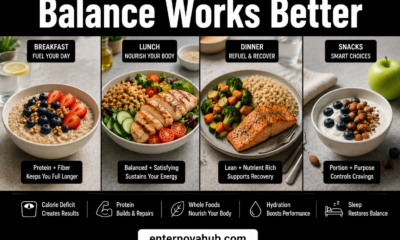
Healthy fat loss usually comes from consistency rather than extreme restriction. Balanced meals, regular movement, proper sleep, and lower stress levels tend to support the body more effectively over time.

The goal shouldn’t be to fight your body—it should be to create habits that allow it to function better naturally.




Why Your Belly Fat Isn’t Going Away (Even After Dieting)
Belly fat is often one of the most frustrating areas for people trying to lose weight. Even after dieting or...


The Hidden Calories Ruining Your Weight Loss Progress
Many people feel frustrated when they exercise regularly and try to eat healthier but still struggle to lose weight. Often,...

Why Extreme Diets Almost Always Fail
Extreme diets often promise fast results, but most people eventually regain the weight they lose. The problem usually isn’t lack...


The Nighttime Habit Quietly Making You Gain Fat
One of the most common habits linked to weight gain happens late at night. Many people eat relatively well during...


Why You Keep Regaining The Weight You Already Lost
Losing weight is difficult—but keeping it off is often even harder. Many people successfully lose weight for a short period,...


The Harsh Truth About Making Money Online Nobody Talks About
Making money online is often presented as quick, easy, and available to everyone instantly. Social media is filled with success...


How Small Online Skills Turn Into Full-Time Income
Many people believe making full-time income online requires advanced knowledge or a large business. But in reality, many successful online...


Why Most People Stay Broke Even With Internet Opportunities Everywhere
The internet has created more opportunities to make money than ever before. Freelancing, content creation, digital products, remote work, online...


The Online Income Habit That Quietly Builds Wealth
Most people search for fast ways to make money online, but lasting online income is usually built through quiet, consistent...


Why Some People Make Money Online Faster Than Everyone Else
Many people wonder why some individuals seem to make money online much faster than others. While luck can play a...