
Health & Weight Loss
Why Healthy Eating Still Isn’t Helping You Lose Weight
Many people become frustrated when they start eating healthier but still don’t lose weight. While healthy food choices are important, weight loss is influenced by more than simply choosing “healthy” foods.

One common issue is hidden calories. Foods like smoothies, granola, nut butters, dressings, and healthy snacks can contain large amounts of calories even though they appear nutritious. Without noticing portion sizes, it’s easy to consume more energy than expected.

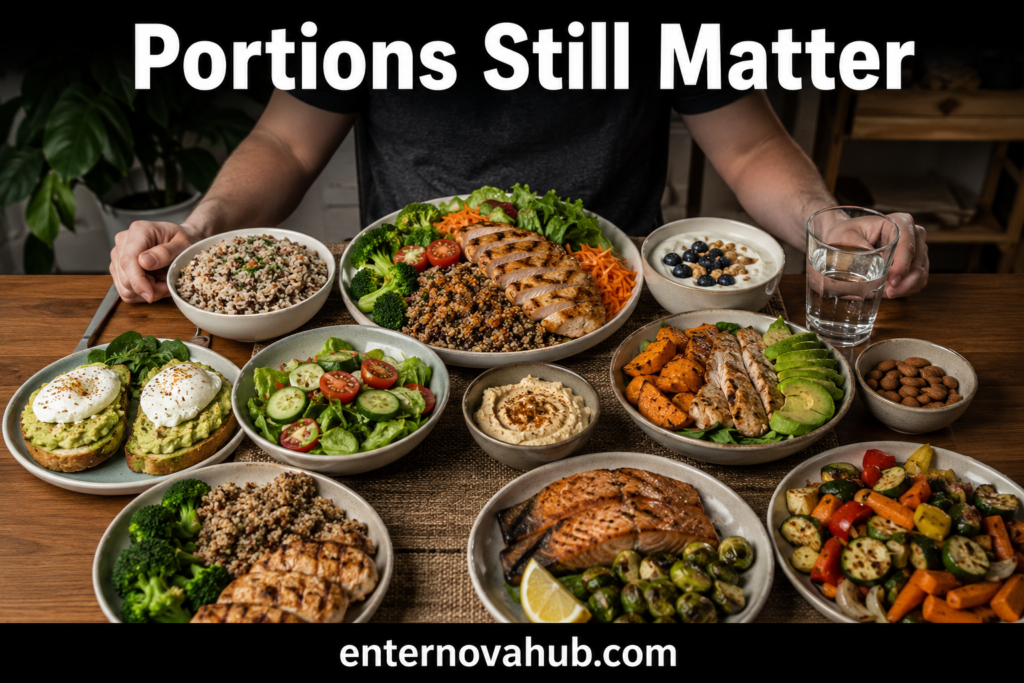
Another factor is overeating healthy foods. Even nutritious meals can slow weight loss when portions become too large. The body still responds to overall energy intake, regardless of whether the food is considered healthy.
Stress also plays a major role. High stress levels can increase cravings, emotional eating, and hormone changes linked to fat storage. This often makes healthy eating harder to maintain consistently.
Lack of movement can contribute as well. Healthy eating works best when combined with regular physical activity and balanced daily habits.

Another mistake is expecting immediate results. Sustainable weight loss usually happens gradually, and many healthy changes improve energy, digestion, and long-term health before major physical changes appear.

The goal isn’t perfection—it’s consistency. Balanced meals, realistic portions, movement, hydration, and patience tend to create far better long-term results than extreme diets.
Healthy eating is important, but lasting progress usually comes from improving the entire lifestyle, not just individual meals.




Why Your Belly Fat Isn’t Going Away (Even After Dieting)
Belly fat is often one of the most frustrating areas for people trying to lose weight. Even after dieting or...


The Hidden Calories Ruining Your Weight Loss Progress
Many people feel frustrated when they exercise regularly and try to eat healthier but still struggle to lose weight. Often,...

Why Extreme Diets Almost Always Fail
Extreme diets often promise fast results, but most people eventually regain the weight they lose. The problem usually isn’t lack...


The Nighttime Habit Quietly Making You Gain Fat
One of the most common habits linked to weight gain happens late at night. Many people eat relatively well during...


Why You Keep Regaining The Weight You Already Lost
Losing weight is difficult—but keeping it off is often even harder. Many people successfully lose weight for a short period,...


The Harsh Truth About Making Money Online Nobody Talks About
Making money online is often presented as quick, easy, and available to everyone instantly. Social media is filled with success...


How Small Online Skills Turn Into Full-Time Income
Many people believe making full-time income online requires advanced knowledge or a large business. But in reality, many successful online...


Why Most People Stay Broke Even With Internet Opportunities Everywhere
The internet has created more opportunities to make money than ever before. Freelancing, content creation, digital products, remote work, online...


The Online Income Habit That Quietly Builds Wealth
Most people search for fast ways to make money online, but lasting online income is usually built through quiet, consistent...


Why Some People Make Money Online Faster Than Everyone Else
Many people wonder why some individuals seem to make money online much faster than others. While luck can play a...